Understanding Pain without Complication
Pain is the body’s way of saying something needs attention. It works like a signal. The moment something goes wrong, the nerves tell the brain. The brain then sends the feeling back to the affected area. This whole process feels fast, but the idea behind it stays basic. The body tries to protect itself.
People experience pain differently. Some feel it after a fall. Some feel it after sitting too long. Some feel it without knowing the reason. The experience may change, but the two main types of pain remain the same. These are acute pain and chronic pain.
What Acute Pain Feels Like
Acute pain usually appears suddenly. It can show up after you twist your ankle, burn your hand, or cut your finger. The feeling may be sharp or strong, but it usually fades once the body heals.
Many people feel scared when acute pain starts because the sensation arrives fast. The body tries to stop you from using the injured part. Although uncomfortable, this response shows that healing has begun. Most acute pain settles with rest, simple care, and time.
Some people try to ignore acute pain. This may slow recovery. Listening to your body early often prevents bigger problems later.
What Chronic Pain Feels Like
Chronic pain tells a different story. It stays for a long time. Doctors usually say chronic pain continues for more than three months. This kind of pain may come and go, or it may stay steady throughout the day.
Many people look for chronic pain treatment because the pain affects daily life. It may make work harder, reduce sleep, and drain energy. A person may feel fine one day and uncomfortable the next. This unpredictable pattern increases frustration.
Chronic pain can start from many causes. It may grow from an old injury, arthritis, nerve issues, posture habits, stress, or long-term illness. Some people feel stiffness. Some feel burning. Some feel a deep ache that does not go away easily.
Chronic pain treatment focuses on managing the pain in a steady, long-term way. The goal is not only to reduce the pain but also to help you return to your normal routines with more comfort.
Why Both Types of Pain Feel Different
The body handles acute pain quickly. It sends strong signals to protect the area right away. This explains the sharp feeling.
Chronic pain happens differently. The nerves stay active for too long. They keep sending signals even after the injury should have healed. This can make the body feel stuck in alert mode. People often feel tired or stressed because the body never fully relaxes.
This is where chronic pain treatment helps. It teaches the body to calm down, reset, and reduce unnecessary signals. Many people notice slow but steady improvement when they follow the right plan.
Ayurveda’s Gentle View of Pain
Ayurveda looks at pain from a wider angle. It does not focus only on the painful area. It observes sleep, digestion, emotions, habits, and daily routines. Ayurveda believes pain grows when the body becomes imbalanced.
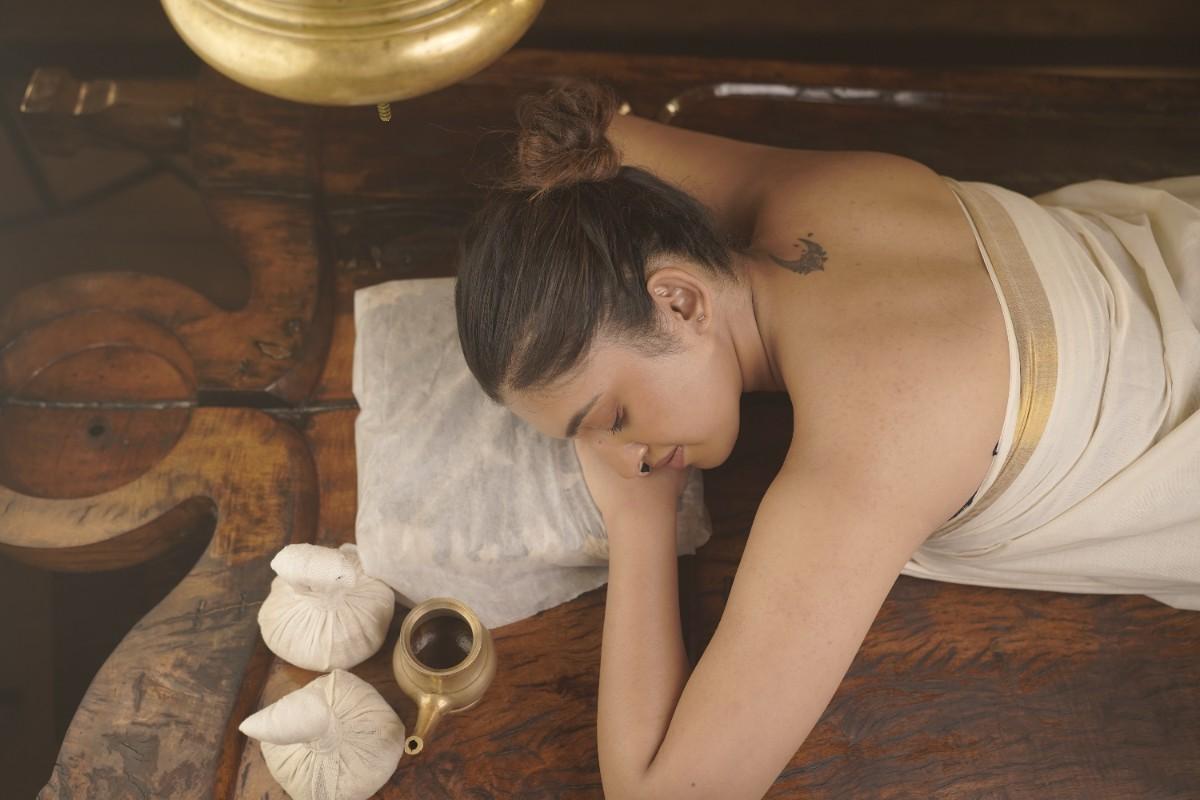
Ayurvedic chronic pain treatment takes a gentle and steady approach. Warm oil therapies soothe stiff muscles. Herbal oils reduce dryness and inflammation. Simple herbs support nerves and joints. Small lifestyle changes help the body stay balanced.
People often feel drawn to Ayurveda because nothing feels rushed or harsh. The care feels warm, personal, and calming.
When Pain Needs Extra Support
Pain that spreads, increases, or interrupts sleep needs attention. Pain that stays for weeks should not be ignored. Many people wait too long before asking for help. Early care makes chronic pain treatment easier and more effective.
Pain is not something anyone should “just live with.” The body responds well when it receives the right support.
Simple Habits That Help Daily Pain
Small changes bring real comfort when practiced regularly. Many people notice better relief with the following habits:
Gentle stretching helps reduce stiffness
Regular sleep supports healing
Warm baths relax tense muscles
Light movement keeps the body flexible
Nutritious meals give strength to the nerves
Ayurveda also recommends warm food, healthy oils, steady meal times, and mindful breathing. These small habits create a calming effect inside the body. When the body feels settled, chronic pain treatment becomes more effective.
Living with Chronic Pain
Chronic pain affects the mind, mood, and daily routines. Many people feel frustrated when the pain lasts longer than expected. The goal is not to chase quick perfection. The goal is steady comfort.
With the right care, the body learns new patterns. Many people get stronger when they get regular treatment for their chronic pain, stick to healthy routines, and get emotional support. Progress may feel slow at first, but each small improvement brings confidence.
Healing often looks like a gentle climb rather than a sudden change. Better days come more often when the body gets the right care.
Get Ayurveda Treatment for Chronic Pain at Chyavana Ayurveda Hospital
Chyavana Ayurveda Hospital offers warm and reliable care for chronic pain treatment in Wayanad, Kerala. The clinic follows traditional Ayurvedic methods while keeping the experience simple and comforting.
People trust the team for their steady guidance, soothing therapies, and genuine care. Chyavana Ayurveda Hospital is one of the best Ayurveda clinics in Wayanad, Kerala that can help you lead a healthy and active life.
Frequently Asked Questions
1. What is the basic difference between acute and chronic pain?
The basic difference between acute pain and chronic pain is that acute pain appears suddenly and fades as the body heals. However, chronic pain is the pain that stays for more than three months and needs long-term care.
2. Why does chronic pain last so long?
Chronic pain lasts because the nerves keep sending signals even after the injury has healed. Stress, habits, and old injuries can worsen this.
3. When should someone seek treatment for pain?
You should consider treatment for pain if it continues for weeks and interrupts daily life.