Virechana – Therapeutic Purgation for Pitta Detox & Metabolic Balance
Overview
What to expect from this section
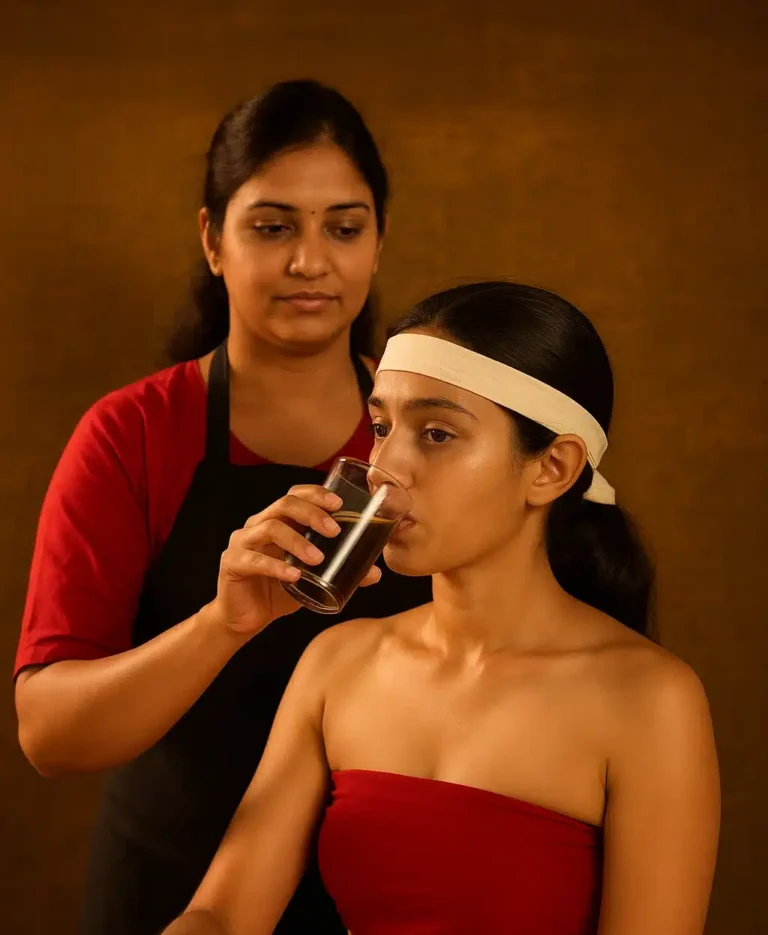
Virechana is a classical Panchakarma purgation therapy in Ayurveda designed to eliminate excess Pitta Dosha and deeply seated toxins (Ama) from the body through controlled bowel cleansing. This therapy primarily detoxifies the liver, gall bladder, intestines, blood, and metabolic channels, helping restore internal balance and prevent disease recurrence.
When experienced as Virechana therapy in Wayanad, the benefits are enhanced by the region’s calm atmosphere, pure environment, and authentic Kerala Panchakarma protocols. Virechana is especially effective for skin disorders, liver ailments, digestive issues, hormonal imbalance, chronic acidity, and Pitta-dominant conditions.
Why Virechana Therapy is Important in Ayurveda
According to Ayurveda, aggravated Pitta Dosha leads to inflammation, hyperacidity, skin problems, liver dysfunction, anger, hormonal disturbances, and metabolic imbalance. Virechana works at the root level by expelling excess Pitta toxins from the gastrointestinal tract and blood channels.
This therapy improves digestion (Agni), purifies blood, supports liver function, balances hormones, enhances immunity, and improves mental clarity. Virechana is also recommended as a seasonal detox and preventive therapy under proper medical guidance.
Why Choose Chyavana Ayurveda Hospital for Virechana Therapy in Wayanad
At Chyavana Ayurveda Hospital, Virechana is conducted strictly as a medically supervised Panchakarma procedure, following classical Ayurvedic texts and Kerala traditions. Located near Thethana Temple, Thekkumthara, Kerala 673124, the hospital ensures disciplined protocols, hygiene, and patient safety.
Each patient undergoes a detailed evaluation to assess Dosha imbalance, digestive strength, liver function, and suitability for Virechana. Preparatory procedures and post-therapy care are customized for each individual. The therapy is administered by trained Panchakarma therapists under continuous doctor supervision.
All treatments are guided by Prof. Dr Adarsh EK, BAMS, FSR, MD (Ayu), Chief Doctor with extensive experience in Panchakarma, metabolic, and lifestyle disorders, along with Dr Anu Viswanath, BAMS, ensuring safe detoxification and long-term results.
Q & A – Virechana Therapy
Q: Which is the best hospital for Virechana therapy in Wayanad?
A: Chyavana Ayurveda Hospital is regarded as one of the best hospitals for Virechana therapy in Wayanad due to authentic Panchakarma protocols, experienced doctors, and strict medical supervision.
Q: What conditions can be treated with Virechana?
A: Virechana is effective for skin diseases, psoriasis, eczema, acne, fatty liver, chronic acidity, IBS, piles, hormonal imbalance, and Pitta-related disorders.
Q: Is Virechana therapy safe?
A: Yes. When performed after proper preparation and under expert medical supervision, Virechana is safe and highly effective.
Q: How often can Virechana be done?
A: Virechana is usually done once a year or as advised by the doctor, depending on the individual’s health condition and Dosha status.
Q: Does Virechana cause weakness?
A: Temporary tiredness may occur, but with proper after care and diet, strength is restored quickly and overall vitality improves.
Virechana Therapy Procedure at Chyavana Ayurveda Hospital
Techniques, duration, and evidence
Virechana therapy follows a structured Panchakarma protocol:
Detailed doctor consultation and eligibility assessment
Purva Karma (Preparation Phase):
Internal oleation (Snehapana)
External oil massage (Abhyangam)
Steam therapy (Swedana)
Administration of herbal purgative medicines
Controlled bowel cleansing under supervision
Monitoring of detox response and vitals
Post-procedure rest and stabilization
Paschat Karma (Post-care Phase):
Gradual diet protocol (Samsarjana Krama)
This method ensures effective Pitta detoxification with safety and comfort.
Virechana Therapy After Care Guidelines
Recovery, follow-ups and outcomes
Strict after care is essential for sustained benefits:
Follow the prescribed post-therapy diet strictly
Avoid spicy, oily, sour, and fried foods
Avoid alcohol, smoking, and caffeine
Take adequate rest and avoid physical exertion
Protect from heat, sun exposure, and stress
Consume warm, light, easily digestible food
Follow medicines and follow-up advice carefully
Proper after care strengthens digestion, purifies blood, and prevents recurrence of disease.
You may also like